
Introduction to Electrical Engineering
Electrical engineering is the field that deals with electricity, circuits, and machines. It is everywhere around us, from the lights in our homes to the electricity that powers factories and trains. If you’ve ever wondered how electricity is controlled, distributed, or used to run machines, electrical engineering is behind it. This guide is for students, fresh graduates, or anyone curious about learning how electricity works in real life. By the end, you will understand the basics and know how to take your first steps in this exciting field.

Table of Contents
What Is Electrical Engineering? (Simple Explanation)
At its core, electrical engineering is about using electricity to perform useful work. Engineers in this field design systems that generate power, move electricity safely, and control machines. It is different from just learning about electricity in school because electrical engineers focus on applying electricity in real-world situations. You can think of it as the art of making electricity useful, safe, and reliable for everyday life.
Main Areas
Electrical engineering covers several important areas.Those are
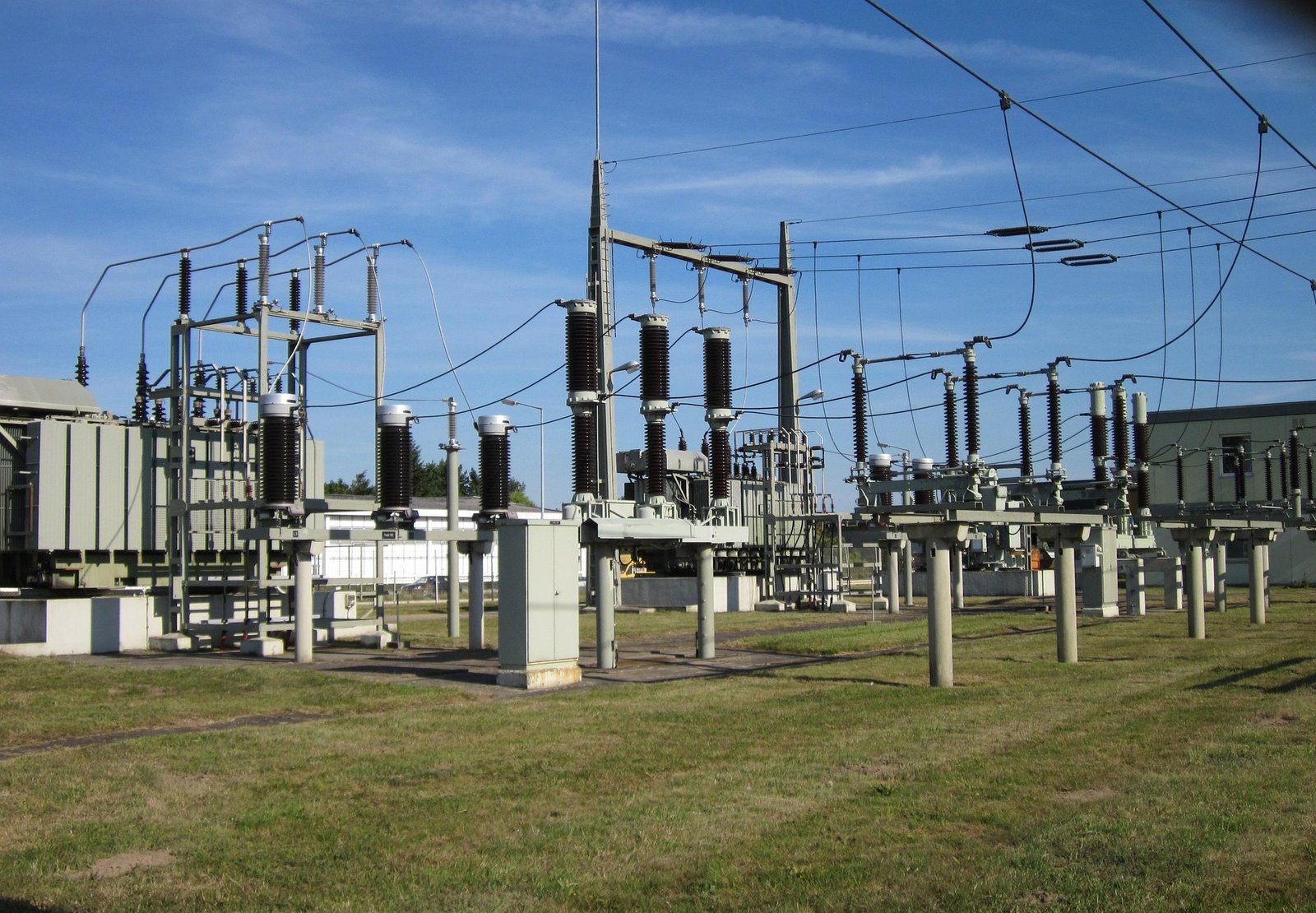
Power generation, transmission, and distribution deals with how electricity is produced and delivered to homes and industries. Electrical machines and drives focus on motors and devices that turn electricity into motion. Control systems and automation help machines operate automatically, saving time and reducing errors. Electronics and embedded systems combine small circuits and microcontrollers to control devices. Finally, renewable energy systems are becoming more important as the world moves toward cleaner energy sources. Each area has its unique role but often overlaps with others in real-world applications.

Basic Concepts Every Electrical Engineer Must Know
Understanding a few key concepts is essential. Voltage, current, and resistance describe how electricity moves and how much work it can do. AC and DC power refer to the two main types of electricity, alternating and direct current, used in homes and devices. Electrical power and energy show how much work is done over time. Lastly, safety grounding and protection basics are critical to prevent accidents and equipment damage. These concepts form the foundation for everything else you will learn.
Key Electrical Components and Devices
Electrical systems use many devices to control and use electricity.
- Wires and cables carry electricity from one place to another. Switches, relays, and contactors control the flow of electricity safely.
- Circuit breakers, like MCBs and MCCBs, protect systems from overload and short circuits.
- Transformers change the voltage to suitable levels for machines or homes.
- Electric motors and generators convert electricity to motion or vice versa.
Understanding what each component does helps you see how a complete system works.
Electrical Engineering vs Electronics Engineering
Electrical and electronics engineering are closely related but not the same. Electrical engineering mainly deals with power, machines, and high-voltage systems. Electronics engineering focuses on smaller circuits, devices, and control systems. Choosing between the two depends on your interest: if you like power systems and industrial machines, electrical engineering is the way to go. If you enjoy gadgets, circuits, and computing devices, electronics engineering may suit you better. Many engineers learn a bit of both because the skills often overlap.
Essential Skills for Electrical Engineers
To succeed in electrical engineering, you need both knowledge and practical skills.
- Reading electrical drawings and schematics helps you understand how systems are built.
- Basic calculations and problem-solving allow you to design and troubleshoot circuits.
- Safety awareness and knowledge of standards ensure you work safely and follow regulations.
- Practical troubleshooting skills help fix real-life issues quickly. Lastly, communication and teamwork are crucial because engineers rarely work alone.
Career Paths
A typical career starts as a student or trainee, learning basics and observing systems. Next, you may work as a junior electrical engineer, helping design or maintain circuits under supervision. With experience, you become a full electrical engineer or specialist, handling projects independently. Senior engineers often move into supervisory or consulting roles, managing teams or advising companies. The field offers flexibility, and growth depends on skills, experience, and continued learning.
Industries Using Electrical Engineering
Electrical engineering is needed in many industries. The power and energy sector uses it to generate and distribute electricity. Manufacturing and factories rely on electrical systems for machines and automation. Construction and building services use electricity for lighting, HVAC, and elevators. The renewable energy industry applies electrical engineering in solar, wind, and hydro projects. Transportation and infrastructure systems, including railways and smart grids, also need electrical engineers. Finally, automation and control systems are everywhere in modern industry.
Common Challenges
Learning electrical engineering can be challenging. Some students struggle with complex theory, which can feel abstract at first. Others may lack practical experience, making it hard to connect theory with real-life applications. Safety risks are another concern because electricity can be dangerous if handled incorrectly. Finally, keeping up with rapidly changing technology is always a challenge for engineers in this field.
Practical Solutions to Overcome These Challenges
You can overcome these challenges with the right approach. Learning through real examples makes theory easier to understand. Small projects and simulations give hands-on experience without risk. Following safety rules and standards ensures you stay safe while learning and working. Finally, continuous learning and skill upgrades help you stay current with new technologies and practices.
Future of Electrical Engineering
The future of electrical engineering is exciting. The growth of renewable energy is creating new opportunities for engineers. Smart grids and power electronics are making electricity distribution more efficient and reliable. Integration with automation and AI is changing how systems operate. Worldwide, there is a high demand for skilled electrical engineers, making it a promising career path for the coming years.
How to Start Learning Electrical Engineering
Start by learning the fundamental concepts like voltage, current, and resistance. Gradually explore basic circuits, AC/DC power, and electrical machines. Use online tutorials, books, and simulations to practice safely. Building small projects will help you apply what you learn. Most importantly, learn step by step, stay curious, and don’t rush the process.
Conclusion
Electrical engineering is a practical and exciting field. It combines theory, hands-on skills, and problem-solving to make electricity useful and safe. Beginners should focus on fundamentals, practice regularly, and build confidence through projects. As you grow, you can explore specialized areas like power systems, automation, or renewable energy.
To continue learning, you may also check our posts on [Circuit Breakers Explained], [Electrical Safety Guide], and [Electrical Engineering Basics] for deeper insights.