

If you have ever wondered how a washing machine knows when to stop, or how a car airbag reacts in milliseconds, you are already thinking about embedded systems. Embedded Systems Engineering is the field that makes everyday devices smart, reliable, and efficient. It is not about big computers or laptops. It is about small systems doing one job very well.
This guide is written from an engineer’s point of view. My goal is not to impress you with complex terms. My goal is to help you truly understand what embedded systems are, how they work, and how you can start learning them with confidence.
Table of Contents
What Is Embedded Systems Engineering?
An embedded system is a small computer built inside a product to control a specific function. Unlike your PC, it does not run many programs at once. It usually runs one program again and again, without stopping.
Embedded Systems Engineering is the skill of designing these systems. It combines electronics and software. You work with circuits, sensors, and microcontrollers, but you also write code that talks directly to hardware. This mix is what makes embedded engineering both challenging and exciting.
You can find embedded systems in simple devices like digital clocks. You can also find them in complex systems like medical equipment and industrial machines.
Why Embedded Systems Are Everywhere Today
Embedded systems are everywhere because modern products need intelligence. Even basic devices now need automation, safety, and energy efficiency. This is where embedded engineers play a key role.
Think about a traffic light. It must follow timing rules. It must respond to sensors. It must never fail suddenly. An embedded system controls all of this quietly in the background.
As technology grows, more devices become connected and smart. This means embedded systems are not disappearing. They are becoming more important than ever.
Core Parts of an Embedded System
Every embedded system has two main parts. One is hardware, and the other is software. Both must work together perfectly.
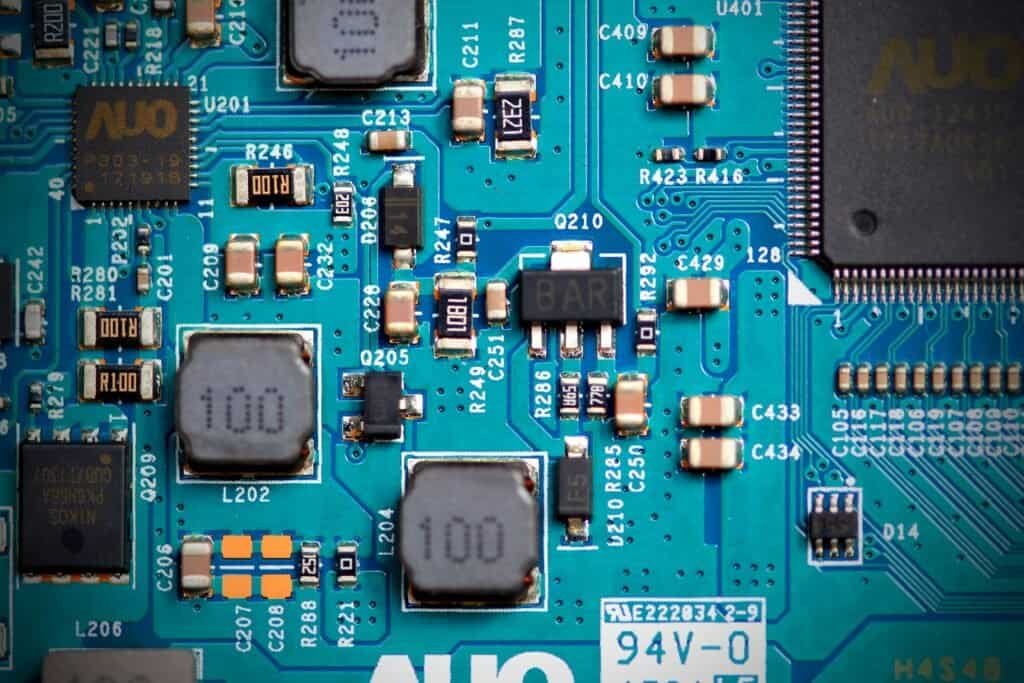
The hardware includes the microcontroller, memory, sensors, and output devices. The microcontroller is the brain. It reads inputs, processes data, and controls outputs. Sensors bring information from the real world, like temperature or motion.
The software is called firmware. This is the program written by the engineer. It decides how the system behaves. A small mistake in code can cause a big real-world problem, so accuracy matters a lot.

Microcontrollers Used in Embedded Systems
A microcontroller is a small chip that includes a processor, memory, and input/output pins. It is designed to control hardware directly. This makes it perfect for embedded systems.
- Arduino
- PIC
- STM32
- ESP32
Arduino is often used by beginners because it is simple and well supported. STM32 is common in industry because it is powerful and flexible.Choosing a microcontroller depends on the project. Power usage, cost, speed, and available tools all matter. There is no single “best” microcontroller for everything.
Programming Languages for Embedded Systems Engineers
Most embedded systems are programmed using Embedded C. This language gives you control over memory and hardware. It is fast and efficient, which is important for real-time systems.
- C++ is also used, especially in larger projects. It helps organize complex code, but it must be used carefully.
- Python is used in some embedded boards like ESP32 through MicroPython, mostly for quick development.
Learning one language well is better than learning many languages poorly. For beginners, Embedded C is the strongest foundation.
Communication Inside Embedded Systems
Embedded systems often need to talk to other devices. This communication happens through standard protocols. Each protocol has a specific purpose.
- UART is simple and used for debugging and basic communication.
- I2C allows multiple devices to share the same bus. SPI is faster and used when speed matters.
- CAN is common in vehicles because it is reliable.
Understanding when to use each protocol is more important than memorizing their details. Real projects teach this best.
Real-Time Operating Systems (RTOS)
Some embedded systems must respond within strict time limits. In such cases, an RTOS is used. An RTOS helps manage multiple tasks and ensures timing accuracy.
FreeRTOS is one of the most popular options. It is used in many real products. However, beginners do not need to start with RTOS immediately.It is better to first understand bare-metal programming. Once you are comfortable, RTOS concepts become much easier to grasp.
Tools Used by Embedded systems engineer
Embedded engineers use both software and hardware tools. Software tools include IDEs like Arduino IDE, Keil, and PlatformIO. These help you write, compile, and debug code.
Hardware tools are just as important. A multimeter helps measure voltage and current. An oscilloscope helps visualize signals. A programmer uploads code into the microcontroller. Learning tools takes time. Every engineer struggles at the beginning. This is normal and part of the journey.
Common Challenges Beginners Face
Many beginners feel lost when starting embedded systems. One big challenge is reading datasheets. They are long and technical, but they contain important information.
Debugging is another challenge. When hardware and software interact, problems are not always obvious. A simple wiring mistake can look like a code error.
The best way to overcome these challenges is patience and practice. Real learning happens when things do not work at first.
Embedded Systems Project Ideas
-Projects turn theory into understanding. Start small and build confidence. A simple LED control project teaches you more than hours of reading.
-As you grow, you can build sensor-based systems or motor controllers. Advanced projects may include IoT systems or RTOS-based designs.
Every project teaches problem-solving. Even failed projects are valuable because they show what not to do next time.
Career Path for Embedded Systems Engineer
Embedded systems engineering offers many career paths. You can work in automotive, medical, industrial automation, or consumer electronics.
Companies look for engineers who understand both hardware and software. They value problem-solving more than memorized answers. Projects matter more than certificates.With continuous learning, embedded engineers can build long and stable careers worldwide.
How to Start Learning
Start with electronics basics. Understand voltage, current, and simple circuits. Then learn Embedded C and microcontroller basics.Practice interfacing sensors and displays. Learn debugging early. Do not rush into advanced topics too fast.Consistency matters more than speed. Even one hour a day can make a big difference over time.
Future of Embedded Systems Engineering
The future of embedded systems is closely tied to IoT, automation, and smart devices. Low-power design and security are becoming more important.Artificial intelligence is also entering embedded systems through edge computing. This creates new opportunities for skilled engineers.Embedded systems will continue to shape the physical world. Engineers who understand them will always be needed.
Final Thoughts
Embedded Systems Engineering is not easy, but it is deeply rewarding. You get to see your code control real hardware. Few fields offer this satisfaction.If you feel confused at times, that is normal. Every embedded engineer has been there. Keep learning, keep building, and stay curious.Your journey does not need to be perfect. It just needs to continue.
An embedded engineer does everything to make it "smart." They choose the tiny computer chip inside. They design the circuit that reads the temperature sensor. They write the code that decides when to turn the heat on.
They test everything together. They make sure it doesn't crash in the middle of winter. They ensure it uses very little battery power. It's a mix of electrical engineering and computer science. You're building the brain and nervous system for a machine.