
Introduction to Automation Engineering
Have you ever wondered how factories work all day without stopping? Machines fill bottles, pack boxes, and check quality with very little human help. This is where automation engineering comes in. It is the field that makes machines smart enough to work on their own.
If you are a student, a fresh graduate, or an electrical engineer thinking about your future, this guide is for you. I’ll explain automation engineering in a simple way, step by step. You don’t need advanced knowledge to understand this. Just curiosity and interest are enough.
Table of Contents
What Is Automation Engineering?
Automation engineering is about using machines, software, and control systems to do work automatically. Instead of a person pressing buttons all day, a programmed system does the job. This saves time, reduces mistakes, and improves safety.
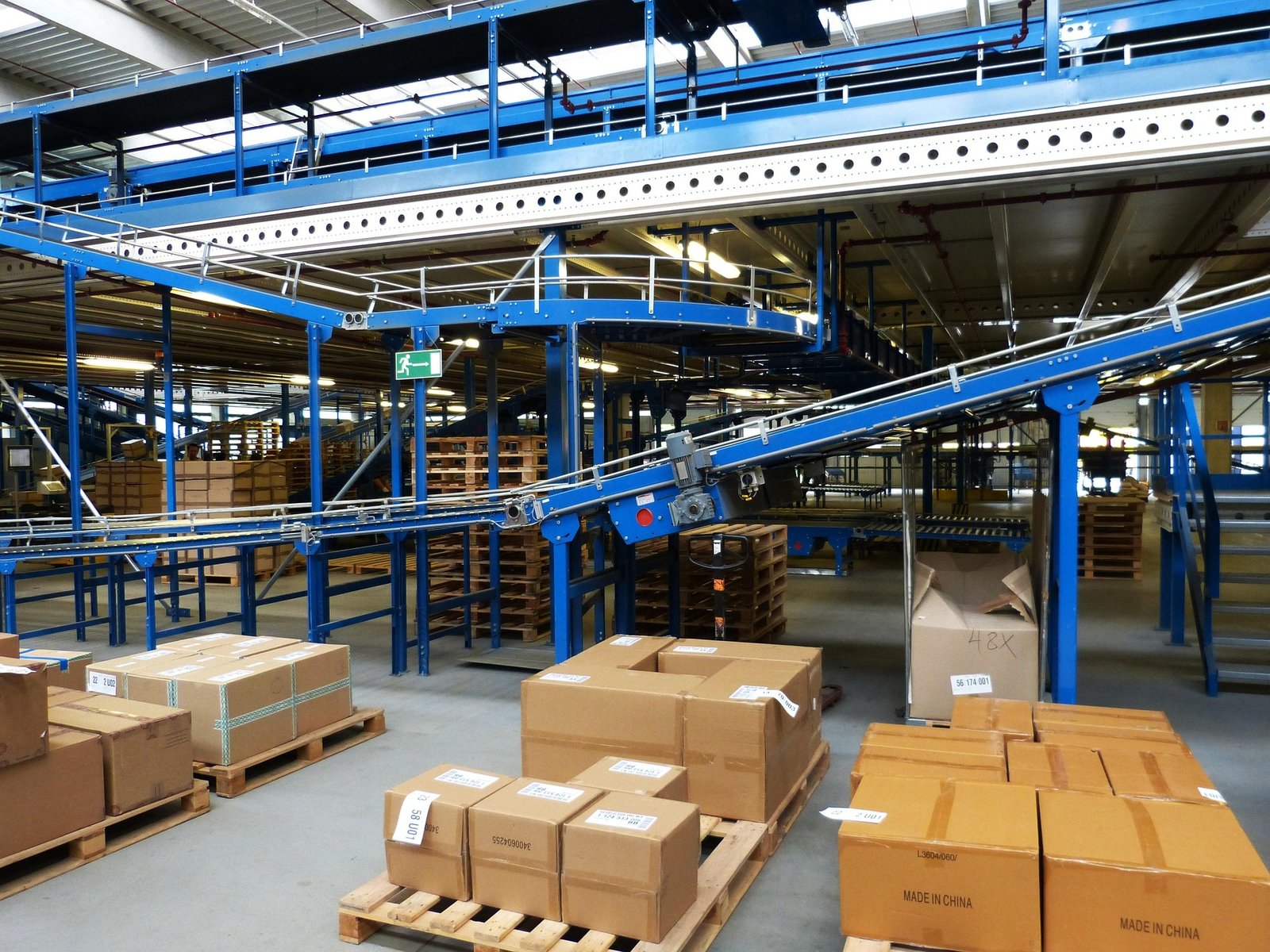
In simple words, automation engineering teaches machines when to start, when to stop, and what to do next. These machines can be small, like a conveyor belt, or very large, like a power plant. The goal is always the same: make work faster, safer, and more reliable.
Role of an Automation Engineer
An automation engineer designs and maintains automated systems. They decide how machines should work together and how they should react to different conditions. Sometimes they write programs, and sometimes they fix problems on-site.
In real life, this role is a mix of thinking and doing. One day you may design a control system on a computer. Another day you may stand in a factory and test a machine. Automation engineers often work closely with electrical, mechanical, and production teams.
Core Components of Industrial Automation
Industrial automation is not one single thing. It is a system made of many parts working together. Each part has a clear job, and removing one can stop the whole process.
PLC (Programmable Logic Controller)
PLC is the
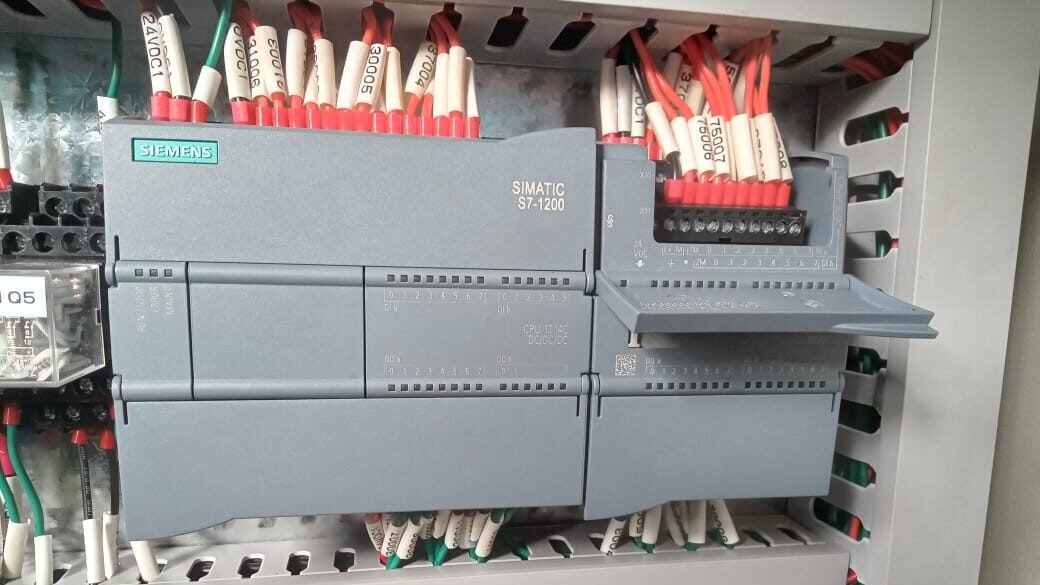
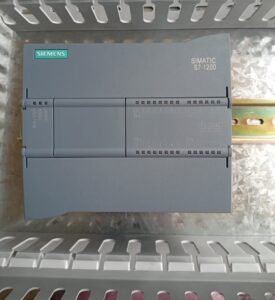
A PLC is the brain of an automation system. It receives signals from sensors and sends commands to machines. It works based on a program written by an engineer.
PLCs are used because they are strong, reliable, and designed for industrial environments. Heat, dust, and noise do not easily affect them. Once programmed correctly, they can run for years with very few problems.
If you are new to this topic and want a clear explanation with examples, you can read our detailed guide on [PLC Essentials: Discover the Most Helpful Tips Every Engineer Needs to Know]. That post explains how PLCs work, where they are used, and why they are so important in automation engineering.
SCADA (Supervisory Control and Data Acquisition)
SCADA is used to monitor and control systems from a central place. It shows live data like temperature, speed, or pressure on a screen. Engineers use it to see what is happening in real time.
With SCADA, you don’t need to stand near the machine all the time. You can detect problems early and take action before damage happens. This is very useful in large plants and power systems.
HMI (Human Machine Interface)
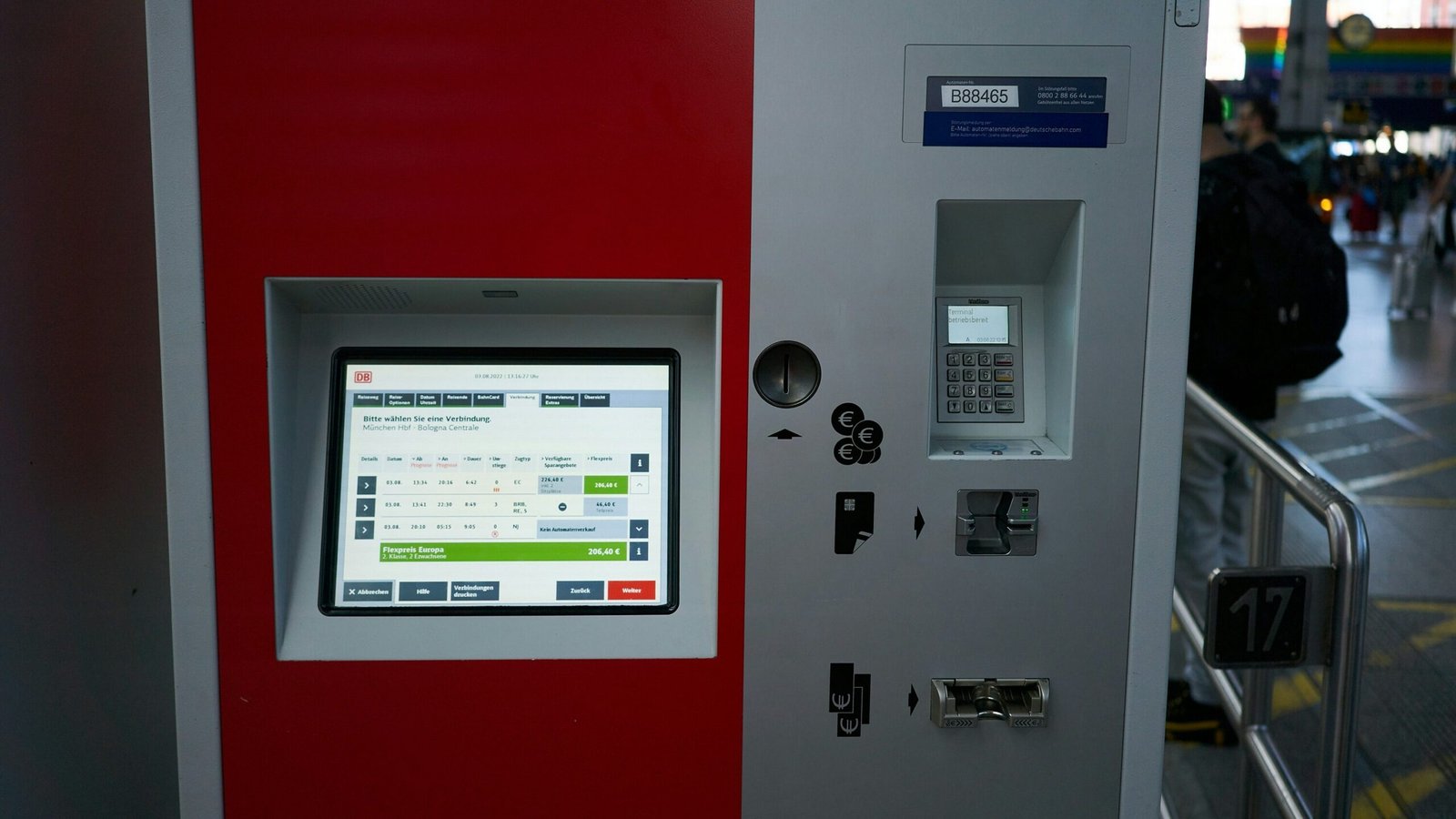
HMI is the screen or panel that humans use to talk to machines. It can be a touch screen, a computer, or a control panel. Through HMI, operators start machines, stop them, and view system status.
A good HMI is simple and clear. It helps reduce errors and makes work easier for operators. Automation engineers often design HMIs with safety and ease of use in mind.
Sensors & Actuators
Sensors are the eyes and ears of an automation system. They detect things like temperature, light, pressure, or motion. Without sensors, machines would not know what is happening around them.
Actuators do the opposite job. They take commands from the PLC and create action. Motors, valves, and relays are common examples. Together, sensors and actuators allow machines to react like living systems.
Automation Engineering vs Electrical Engineering
Electrical engineering focuses on power, circuits, and electrical systems. It deals with how electricity is generated, transmitted, and used safely. Automation engineering builds on this knowledge and adds control and programming.
You can think of it this way: electrical engineering gives power to machines, while automation engineering tells machines how to behave. Many automation engineers start as electrical engineers and then specialize further. Both fields are closely connected and often work together.
Essential Skills Required
To become an automation engineer, you don’t need to know everything at once. You slowly build skills over time. Basic electrical knowledge is very important because most systems run on electricity. Here are some essential skills required in automation engineering.
- Basic Electrical Knowledge -Understanding voltage, current, motors, and control panels is the foundation of automation work.
- PLC Programming -Knowing ladder logic and basic PLC programming helps you control machines and processes.
- Control Systems Understanding -This skill helps you decide how systems respond to inputs like temperature or pressure.
- SCADA and HMI Basics -These tools allow you to monitor systems and interact with machines using screens.
- Sensors and Actuators Knowledge -Sensors collect data, and actuators create action. Both are essential in automation systems.
- Problem-Solving Skills -Machines fail sometimes. Finding the cause quickly is a key part of the job.
- Industrial Safety Awareness -Knowing safety standards protects people, machines, and your career.
You also need to understand PLC programming, control logic, and simple networking. Problem-solving skills matter a lot because machines don’t always behave as expected. Clear thinking and patience can make a big difference in this field.
Automation Engineering Career Path
Most people start by learning the basics during their studies or training. After that, they may work as trainees, junior engineers, or technicians. This stage is all about learning from real systems.
With experience, you can move into roles like automation engineer, control engineer, or system integrator. Some engineers later become project managers or consultants. The career path is flexible and depends on your interests and skills.
Industries Using Automation Engineering
Automation engineering is used in many industries across the world. Manufacturing is the most common, especially in food, textiles, and electronics. Power plants and water treatment facilities also depend heavily on automation.
- Manufacturing Industry -Used in assembly lines, packaging, quality control, and material handling.
- Power Generation & Energy -Automation controls turbines, generators, and electrical substations.
- Water and Wastewater Treatment -Helps manage pumps, tanks, and chemical dosing automatically.
- Oil and Gas Industry -Automation improves safety and controls complex processes in harsh environments.
- Pharmaceutical Industry -Ensures accurate production, quality control, and compliance with standards.
- Food and Beverage Industry -Automation maintains hygiene, speed, and consistent product quality.
- Building Automation -Controls lighting, HVAC, elevators, and security systems in smart buildings.
You can also find automation in oil and gas, pharmaceuticals, and building management systems. Even small factories now use automation to stay competitive. This wide use makes automation skills valuable almost everywhere.
Common Challenges & Solutions
- System failure due to poor design or maintenance -This is a common problem in industrial automation. When systems are not designed properly or are poorly maintained, machines can stop suddenly. This leads to production loss, wasted time, and stress for workers.
->Solution: Test systems carefully before use, keep clear documentation, and perform regular maintenance checks. Small checks can prevent big failures. - Difficulty keeping up with new technology -Automation technology changes very fast. New PLCs, software updates, and smart systems appear every year. Many engineers feel overwhelmed trying to learn everything.
->Solution: Learn step by step instead of all at once. Stay curious, practice regularly, and focus on core concepts. Continuous learning makes it easier to adapt over time. - Troubleshooting under pressure -When a machine stops, engineers are often expected to fix it quickly. This pressure can lead to mistakes or missed problems.
- Lack of proper documentation -Missing or unclear documentation makes maintenance and upgrades very difficult. New engineers struggle to understand old systems.
Future of Automation Engineering (Industry 4.0)
Automation engineering is changing with Industry 4.0. Systems are becoming smarter and more connected. Machines now share data through the internet and make decisions using software intelligence.
In the future, automation engineers will work more with data, networks, and smart systems. This does not replace engineers but makes their role more important. Those who learn these new ideas early will have strong career opportunities.
Conclusion
Automation engineering is a practical and rewarding field. It combines electrical knowledge, logic, and real-world problem solving. If you enjoy understanding how machines work and improving systems, this path can suit you well.
.