

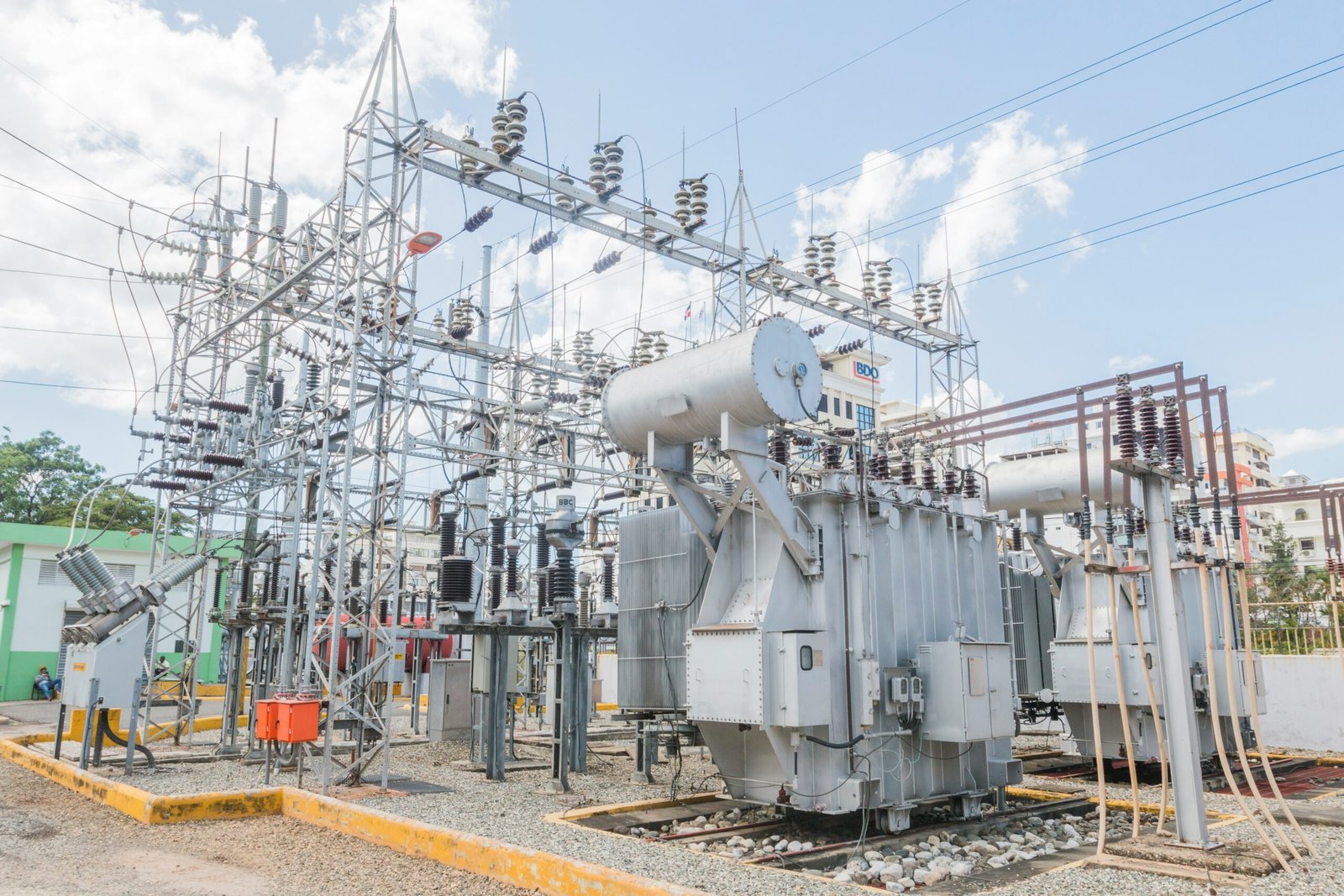
Power system engineering is one of the most important areas of electrical engineering. It deals with how electrical power is produced, moved, and safely delivered to homes, industries, and cities. Every time you switch on a light or charge your phone, a power system is working behind the scenes. Yet, many students and young engineers find this subject difficult and confusing. This guide is written to change that.
In this article, we will walk through power system engineering step by step. We will focus on ideas, not heavy math. You will see how theory connects to real-world systems and why these concepts matter in practice. Whether you are a student or a working engineer, this guide is meant to help you feel more confident.
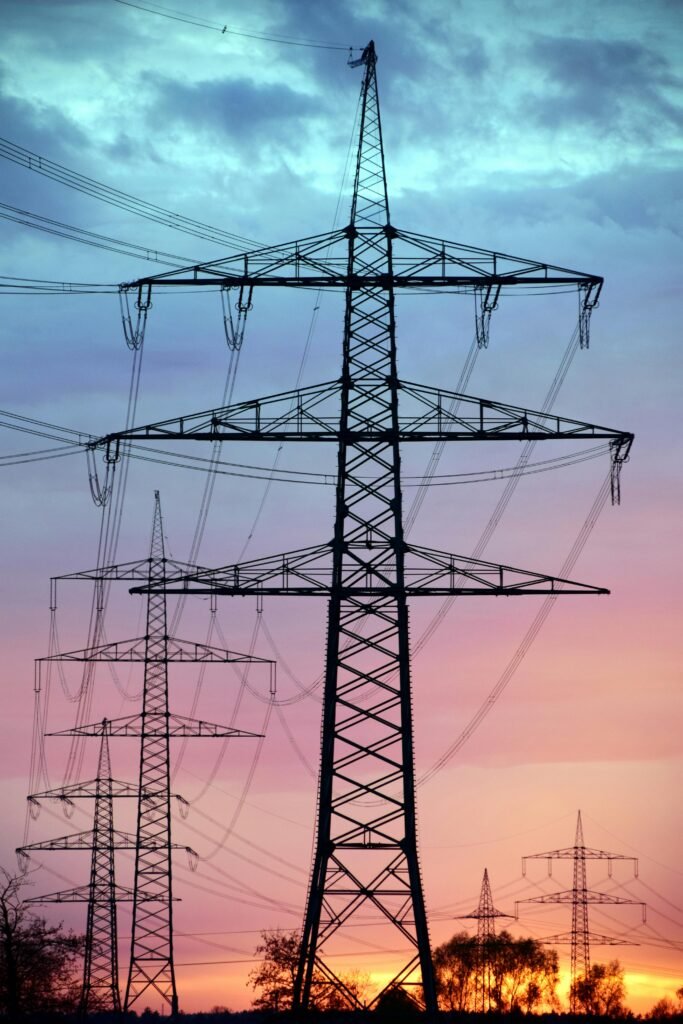
Table of Contents
What Is Power System Engineering?
Power system engineering is the branch of electrical engineering that deals with electricity from generation to consumption. It studies how power is generated, transmitted over long distances, and distributed to users. The goal is to supply electricity safely, reliably, and at the lowest possible cost.
This field sits at the heart of modern life. Hospitals, factories, data centers, and homes all depend on stable power systems. A small failure in one part of the system can affect millions of people. That is why power system engineers focus strongly on reliability and protection.
Over time, power systems have evolved a lot. Early systems were simple and local. Today, we have large interconnected grids, renewable energy sources, and smart control systems. Power system engineering continues to grow as energy needs increase.
Structure of an Electric Power System
An electric power system has three main parts. These are generation, transmission, and distribution. Each part has a clear role, but they all work together as one system.
Power Generation
Power generation is where electricity is produced. Traditional power plants include thermal, hydro, and nuclear stations. These plants usually generate power at a fixed location and send it to the grid.
In recent years, renewable energy has become very important. Solar panels and wind turbines are now common in many countries. Unlike traditional plants, these sources depend on weather conditions. This makes system planning more challenging but also more exciting.Power can be generated in large centralized plants or smaller decentralized units. Both approaches are used today, depending on the application.
Transmission System
The transmission system carries electricity over long distances. Power is transmitted at high voltages to reduce energy losses. You may have seen tall transmission towers carrying these lines across the land.There are two main transmission types: HVAC and HVDC.
HVAC is more common, but HVDC is used for long-distance and underwater links. Choosing the right transmission method is an important engineering decision.Transmission lines, towers, insulators, and substations are key components. Each must be designed carefully to handle high voltages and harsh environments.
Distribution System
The distribution system delivers power to end users. It steps down voltage levels and supplies electricity to homes, offices, and factories. Distribution networks are usually closer to consumers.Common distribution layouts include radial, ring, and mesh systems. Each has its own advantages and limitations. Distribution transformers play a major role here by reducing voltage to usable levels.This part of the system is where most faults occur. That is why protection and monitoring are very important in distribution networks.
Fundamental Concepts in Power System Engineering
Before going deeper, it is important to understand a few basic concepts. These ideas appear again and again in power system studies.Electric power can be active, reactive, or apparent. Active power does useful work, like running a motor. Reactive power supports voltage levels but does not do direct work. Apparent power is the combination of both.Power factor tells us how efficiently power is being used. A low power factor means more losses and poor system performance.
Engineers try to improve it using capacitors and other methods.The per-unit system is another key concept. It simplifies calculations by expressing values as ratios. This makes analysis easier, especially in large systems.Load curves show how power demand changes over time. From these curves, engineers understand peak demand and plan generation accordingly. Factors like diversity and demand help in system design and cost control.
Power System Analysis
Power system analysis helps engineers understand how the system behaves under normal and abnormal conditions. It is a core part of power system engineering.
Load Flow Analysis
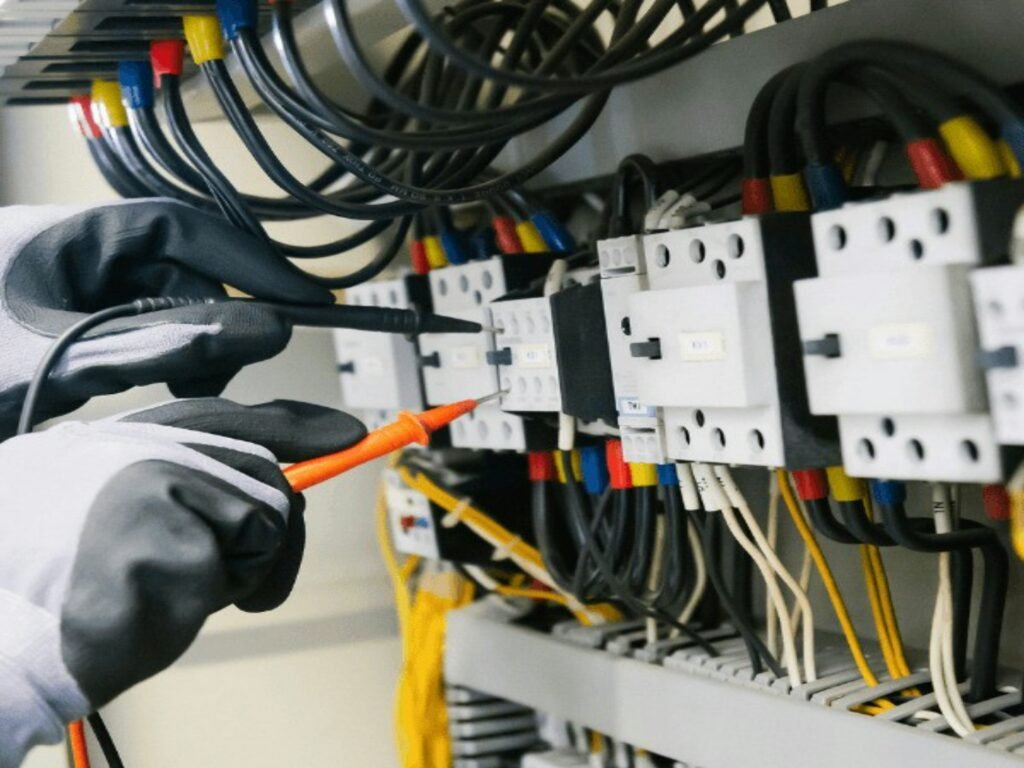
Load flow analysis studies how power flows through the network. It tells us voltage levels, power losses, and line loadings. This information is essential for planning and operation.In load flow studies, buses are classified as slack, PV, or PQ buses. Each type has a specific role in the calculation. Common solution methods include Gauss-Seidel and Newton-Raphson.In real life, utilities use load flow analysis to plan expansions and avoid overloads. It helps ensure the system operates within safe limits.
Short Circuit (Fault) Analysis
Fault analysis studies what happens when something goes wrong. Faults can be symmetrical or unsymmetrical. They usually result in very high currents.Knowing fault levels is critical for selecting circuit breakers and protection devices. If equipment is not rated properly, it can fail during a fault.Fault analysis improves safety and protects expensive equipment. It is one of the first studies done when designing a power system.
Stability Analysis
Stability analysis checks whether the system can return to normal after a disturbance. Disturbances may include faults, sudden load changes, or generator outages.There are different types of stability, such as steady-state and transient stability. Each looks at system behavior over different time periods.Maintaining stability is essential to avoid blackouts. Engineers design control and protection systems to keep the grid stable.
Power System Protection
Protection systems are like the immune system of the power grid. They detect problems and isolate faulty sections quickly.Protection is needed to prevent damage and ensure safety. Protection zones divide the system into manageable areas. If a fault occurs, only the affected zone is disconnected.Relays play a central role in protection. Common types include overcurrent, distance, and differential relays. Circuit breakers act on relay signals to interrupt fault currents.Good coordination ensures that only the nearest breaker operates. This reduces power outages and improves reliability.
Transmission Line and Distribution Basics
Transmission lines have resistance, inductance, and capacitance. These parameters affect voltage drop and losses. Engineers classify lines as short, medium, or long based on length.Voltage regulation tells us how much voltage changes from no load to full load. Good regulation means a stable voltage supply.Losses reduce system efficiency. Engineers aim to minimize them through proper design and operation.Distribution systems face challenges like load growth and fault management. Modern tools help address these issues effectively.
Power System Control and Operation
Control systems keep the power grid running smoothly. Load frequency control maintains system frequency when load changes.Economic load dispatch decides how much power each generator should produce. The aim is to meet demand at the lowest cost.Automatic generation control works in the background to balance power in real time. SCADA systems help operators monitor and control the grid from control centers.
These tools are essential for modern power system operation.
Modern Trends in Power System Engineering
Power systems are changing faster than ever. Smart grids use digital technology to improve efficiency and reliability. They allow two-way communication between utilities and consumers.Renewable energy integration is a major challenge. Solar and wind power are clean but variable. Engineers use energy storage and advanced control to manage this variability.Microgrids are small, local power systems that can operate independently. FACTS devices help control power flow and improve stability.AI and IoT are now being used for monitoring and fault prediction. These technologies are shaping the future of power systems.
Software Tools Used in Power System Engineering
Software tools help engineers model and analyze complex systems.
- ETAP and PSS/E are widely used in industry. PowerWorld is popular in education and planning.
- MATLAB and Simulink are useful for simulations and control studies.
- PSCAD is often used for transient analysis.
Learning these tools improves job readiness and practical skills.
Career Opportunities in Power System Engineering
Power system engineering offers many career paths. Engineers can work as power system, protection, or transmission planning engineers. Renewable energy roles are also growing fast.Industries include power utilities, EPC companies, and smart grid firms. With experience, engineers can move into planning, operations, or consulting roles.This field offers stable and meaningful careers worldwide.
Common Challenges in Power System Engineering
Many students struggle with complex math and modeling. Understanding system behavior takes time and practice.Grid stability and renewable integration are real-world challenges. Aging infrastructure adds more pressure on utilities.
Frequently Asked Questions
Power system engineering focuses on electricity supply from generation to consumption. Load flow analysis is important because it shows system performance under normal conditions. The main components of a power system are generation, transmission, and distribution. It is a good career with strong future demand. Common software tools include ETAP, PSS/E, and MATLAB.
Conclusion
Power system engineering is a vital and rewarding field. It connects theory with real-world impact and supports modern society. While the subject can feel challenging, clear understanding and practice make it manageable.
Keep learning, stay curious, and focus on fundamentals. With time, power system engineering will start to make sense. If you want to explore deeper topics, continue reading related guides and tutorials.