Modern electronic devices are becoming smarter every year. From smart washing machines to drones and home automation systems, many devices today can sense, process, and respond automatically. One small component plays a huge role in these smart systems. That component is called a microcontroller.
If you are new to electronics or embedded systems, the word “microcontroller” may sound complicated at first. But the idea is actually simple. A microcontroller is like a tiny computer that controls electronic devices. In this guide, you will learn what a microcontroller is, how it works, its different types, and where it is used in real life.
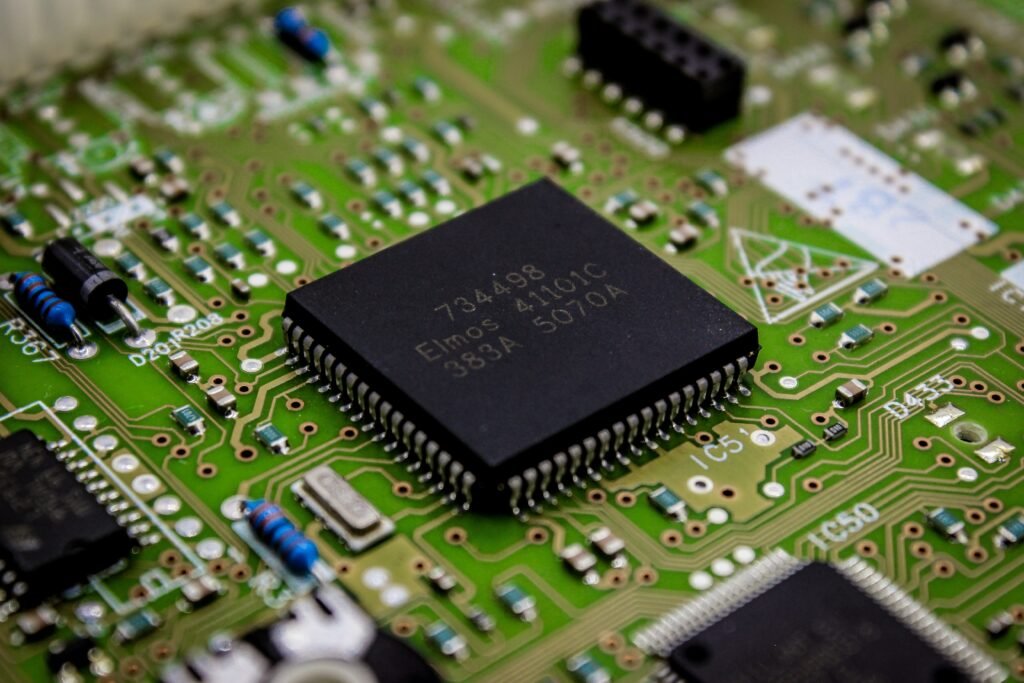
What is a Microcontroller?
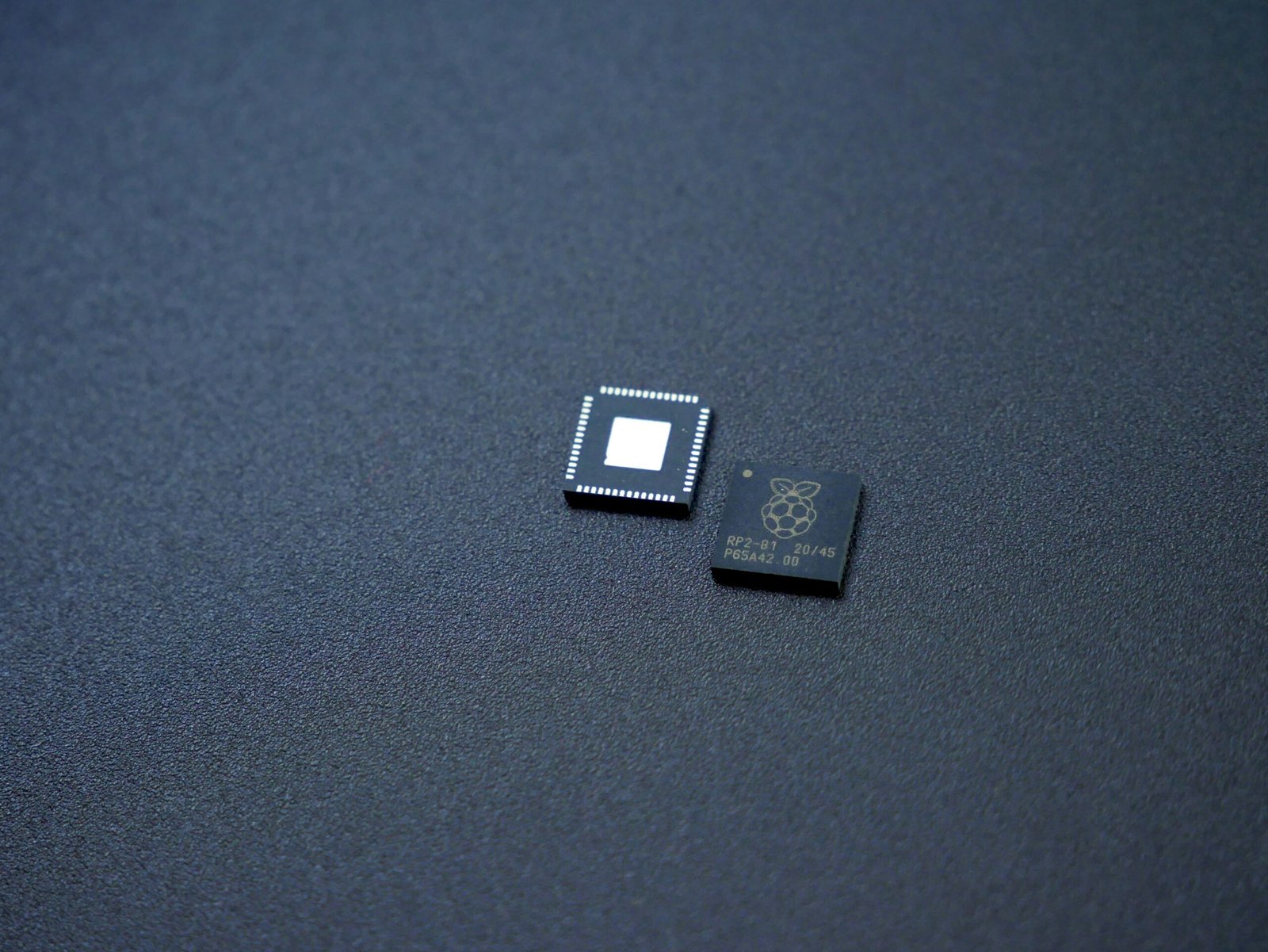
A microcontroller is a small integrated circuit designed to control electronic systems. It contains a processor, memory, and input/output peripherals inside a single chip. Because everything is built into one compact device, microcontrollers are widely used in embedded systems.
You can think of a microcontroller as the brain of an electronic product. It receives information from sensors or buttons, processes that information, and then controls outputs like motors, displays, or LEDs. Without microcontrollers, many modern smart devices would not work properly.
For example, in an automatic washing machine, the microcontroller controls the washing cycle, water level, motor speed, and timer operations. In a smart fan, it reads temperature data and adjusts the fan speed automatically.
How Does a Microcontroller Work?
A microcontroller works by following programmed instructions stored inside its memory. First, it receives input signals from sensors or switches. Then the processor inside the chip analyzes the information. Finally, it sends commands to output devices.
Let’s take a simple example. Imagine a temperature-controlled cooling fan. A temperature sensor detects heat levels and sends data to the microcontroller. If the temperature becomes too high, the microcontroller turns on the fan. When the temperature drops, it slows down or stops the fan.
This process happens very quickly, often within milliseconds. That is why microcontrollers are suitable for real-time electronic control systems.
Main Components of a Microcontroller
Although microcontrollers come in different sizes and designs, most contain a few important parts.
CPU (Central Processing Unit) – The CPU is the processing section of the microcontroller. It executes instructions and controls the operation of the entire system. It acts like the decision-making unit of the chip.
Memory – Microcontrollers usually have two main types of memory. RAM stores temporary data while the system is running. Flash memory or ROM stores the program permanently.
GPIO Pins – GPIO stands for General Purpose Input Output. These pins allow the microcontroller to connect with external devices like sensors, LEDs, motors, and displays.
Timers and Counters – Timers help create delays, measure time, and generate PWM signals. PWM, or Pulse Width Modulation, is commonly used for motor speed control and LED brightness adjustment.
Communication Interfaces – Modern microcontrollers support communication protocols such as UART, SPI, and I2C. These interfaces help different electronic devices exchange data with each other.
Types of Microcontrollers
Microcontrollers are commonly classified based on their processing capability.
8-bit Microcontrollers
8-bit microcontrollers are simple and affordable devices. They process 8 bits of data at a time and are mainly used for basic applications.
Popular examples include:
- 8051
- ATmega328P
- PIC16F877A
These microcontrollers are commonly found in:
- Calculators
- Toys
- Remote controls
- Simple automation systems
They are beginner-friendly and widely used in educational projects.
16-bit Microcontrollers
16-bit microcontrollers offer better performance than 8-bit versions. They can process larger data and handle more complex tasks.
Examples include:
- MSP430
- PIC24 series
These are often used in:
- Medical devices
- Industrial systems
- Smart meters
- Sensor monitoring applications
They provide a good balance between power and efficiency.
32-bit Microcontrollers
32-bit microcontrollers are powerful and widely used in modern embedded systems. They support advanced processing, networking, and real-time applications.
Popular examples include:
- STM32
- ESP32
- ARM Cortex-M controllers
These microcontrollers are commonly used in:
- IoT devices
- Robotics
- Drones
- Automotive systems
- Smart home products
Many professional embedded engineers work with 32-bit microcontrollers because they support advanced features like RTOS and wireless communication.
Popular Microcontroller Families
Different microcontroller families are designed for different purposes.
Arduino AVR Microcontrollers – Arduino boards are popular among beginners because they are easy to learn and use. The Arduino Uno uses the ATmega328P microcontroller.
STM32 Microcontrollers – STM32 microcontrollers are widely used in professional embedded systems. They offer high performance and many advanced peripherals.
ESP32 Microcontrollers – ESP32 is famous for IoT development because it has built-in Wi-Fi and Bluetooth features. It is commonly used in smart home and wireless sensor projects.
PIC Microcontrollers – PIC microcontrollers are used in industrial and low-power applications. They are known for reliability and simple architecture.
Microcontroller vs Microprocessor
Many beginners confuse microcontrollers with microprocessors. Although they are related, they are not the same. A microprocessor mainly acts as a CPU and usually requires external memory and peripherals to work. Computers and laptops use microprocessors because they need high processing power. A microcontroller already contains the CPU, memory, and peripherals inside one chip. This makes it compact, low-cost, and energy-efficient for embedded systems.
In simple words:
- Microprocessors are used for powerful computing systems.
- Microcontrollers are used for dedicated control systems.
Real-World Uses of Microcontrollers
Microcontrollers are everywhere around us, even if we do not notice them.
- In home automation systems, they control lights, fans, and smart security devices. In cars, they manage airbags, ABS braking systems, and engine control units. Hospitals use them in ECG machines and patient monitoring systems.
- Industrial factories use microcontrollers for automation and motor control. Robotic systems use them to process sensor data and control movement. IoT devices also depend heavily on microcontrollers to collect and transmit data wirelessly.
- Even simple products like microwave ovens, printers, and digital clocks use microcontrollers internally.
Advantages of Microcontrollers
Microcontrollers offer many benefits for embedded systems.
- They are compact and consume low power. They are also cost-effective and easy to integrate into electronic products. Since they can process data in real time, they are excellent for automation and control applications.
- Another major advantage is flexibility. Engineers can program microcontrollers for thousands of different tasks depending on the project requirements.
Limitations of Microcontrollers
Although microcontrollers are useful, they also have some limitations.
- Most microcontrollers have limited processing power compared to desktop processors. They also have smaller memory sizes. Because of this, they are not suitable for heavy computing tasks like video editing or gaming.
- However, for embedded systems and electronic control applications, they are highly efficient.
Best Microcontroller for Beginners
If you are starting embedded systems, choosing the right microcontroller can feel confusing.
– Arduino Uno is one of the best options for beginners because it has a simple programming environment and a large online community. It is excellent for learning basic electronics and embedded programming.
– ESP32 is a great choice if you want to learn IoT and wireless communication. It supports Wi-Fi and Bluetooth, making it ideal for smart device projects.
– STM32 is better for advanced learners who want professional embedded systems experience. Many industries use STM32 in real products.
Future of Microcontrollers
Microcontrollers are becoming more powerful every year. Today, modern microcontrollers support artificial intelligence, edge computing, and advanced wireless communication. The rise of IoT, robotics, and electric vehicles is increasing the demand for embedded systems engineers worldwide. Technologies like TinyML and Edge AI are also making microcontrollers smarter and more efficient. Because of this, learning microcontrollers can open many opportunities in electronics and embedded engineering careers.
Career Opportunities in Embedded Systems
Microcontroller knowledge is important for several engineering careers.
Some popular roles include:
- Embedded systems engineer
- Firmware developer
- IoT engineer
- Robotics engineer
- Hardware design engineer
To grow in this field, students usually learn:
- Embedded C programming
- PCB design
- RTOS
- Hardware debugging
- Communication protocols like UART, SPI, and I2C
Hands-on projects are one of the best ways to improve these skills.
Conclusion
Microcontrollers are one of the most important parts of modern electronics. They act as the control center for thousands of devices we use every day. From simple automation systems to advanced robots and smart devices, microcontrollers make electronic systems intelligent and responsive.
If you are interested in electronics, robotics, IoT, or embedded systems, learning microcontrollers is a great starting point. Begin with simple projects, understand the basics, and slowly move toward advanced embedded development.
The more you build and experiment, the easier embedded systems become.
A microcontroller is a compact integrated circuit that contains a processor, memory, and input/output peripherals on a single chip. It is used to control electronic devices and embedded systems.
A microcontroller executes programmed instructions stored in its memory, processes input signals from sensors or switches, and controls outputs such as LEDs, motors, and displays.
The main components include the CPU, Flash memory, RAM, EEPROM, GPIO pins, timers, communication interfaces (UART, SPI, I²C), and ADC modules.
A microcontroller includes a CPU, memory, and peripherals on one chip, while a microprocessor mainly contains only the CPU and requires external components to function.
Microcontrollers are used in home appliances, automobiles, industrial automation systems, medical devices, robots, IoT devices, and consumer electronics.
Common programming languages include C, C++, MicroPython, and Arduino programming language.
Arduino is a development platform that includes a microcontroller, programming tools, and libraries, making it easier for beginners to develop embedded projects.
Popular microcontroller families include AVR, PIC, ARM Cortex-M, ESP32, STM32, and MSP430.
Microcontrollers provide the intelligence needed to monitor inputs, process data, and control outputs efficiently within embedded systems.
Yes. Many modern microcontrollers, such as the ESP32, include built-in Wi-Fi and Bluetooth for IoT applications.
GPIO (General Purpose Input/Output) pins allow a microcontroller to interact with external devices such as sensors, buttons, LEDs, and relays.
The difference lies in data processing capability, memory addressing, speed, and performance. Generally, 32-bit microcontrollers offer higher performance than 8-bit and 16-bit versions.
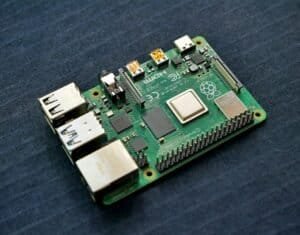
No. Raspberry Pi is a single-board computer, while devices like the Arduino Uno use microcontrollers.
The Arduino Uno, based on the ATmega328P microcontroller, is one of the best options for beginners due to its simplicity and large community support.
Microcontrollers are compact, low-cost, energy-efficient, reliable, and ideal for real-time control applications.