
Have you ever wanted to build your own robot, create a smart home device, or learn programming in a hands-on way? If so, you have probably heard about the Raspberry Pi. It is one of the most popular tools for learning electronics, programming, robotics, and the Internet of Things (IoT). Despite its small size, it can do many of the same tasks as a traditional computer.
Many beginners are confused when they first hear about the Raspberry Pi. Some people think it is a microcontroller like Arduino, while others believe it is just a small computer. The truth is that it sits somewhere between those ideas and opens the door to many exciting projects. In this guide, you will learn what a Raspberry Pi is, how it works, what it can do, and why it has become a favorite tool for students, hobbyists, and engineers around the world.
What Is a Raspberry Pi?
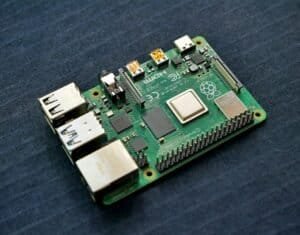
A Raspberry Pi is a small, affordable computer that fits in the palm of your hand. It was originally developed to help students learn computer science and programming. Over time, it became popular among makers, hobbyists, educators, and professional engineers because of its flexibility and low cost.
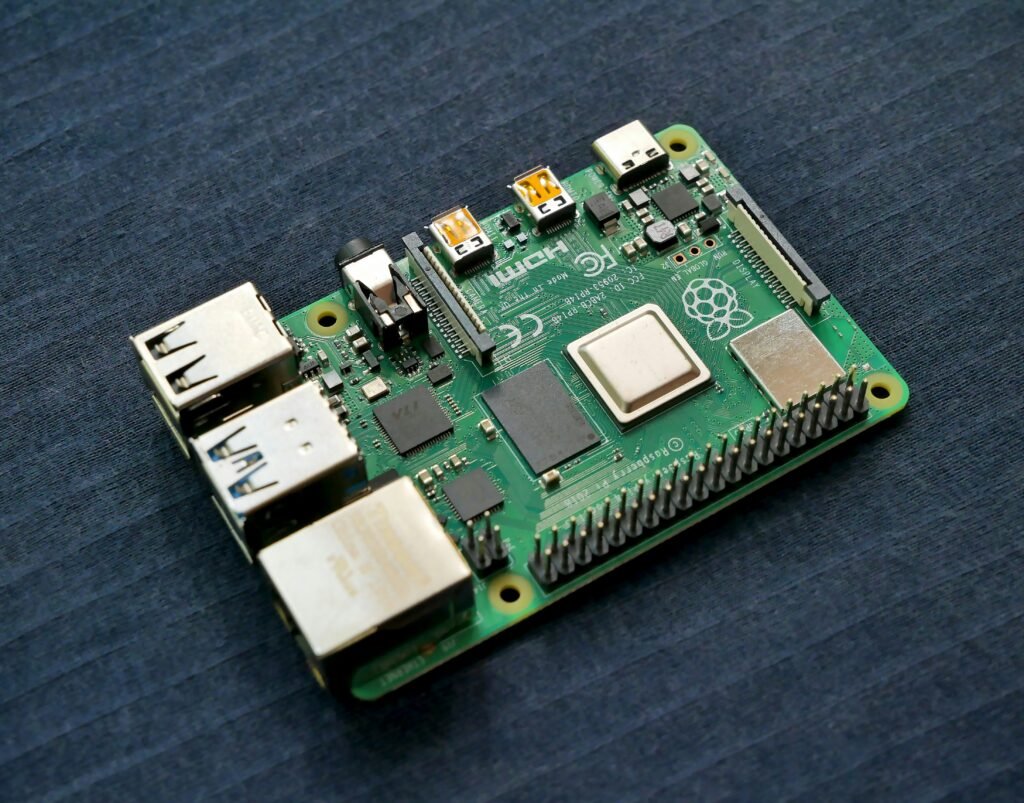
Unlike a desktop computer, a Raspberry Pi comes as a single circuit board containing the processor, memory, and various connection ports. You can connect a monitor, keyboard, mouse, and storage device to use it just like a normal computer. At the same time, it also includes special pins that allow it to interact with electronic components such as sensors, motors, LEDs, and displays.
One reason Raspberry Pi is so popular is that it helps bridge the gap between software and hardware. You can write code, connect electronic devices, and see real-world results from your programs. This makes learning much more engaging compared to programming on a computer alone.
The Story Behind Raspberry Pi
The Raspberry Pi was created by the Raspberry Pi Foundation, a nonprofit organization based in the United Kingdom. The goal was simple: make computing education affordable and accessible to everyone. The founders noticed that fewer students were entering computer science programs with practical programming experience than in previous decades.
To solve this problem, they designed a low-cost computer that students could use at home. The first Raspberry Pi was released in 2012. It quickly gained attention because it was inexpensive, compact, and capable of running a full operating system.
How Does a Raspberry Pi Work?
At its core, a Raspberry Pi works much like a traditional computer. It has a processor that performs calculations, memory that stores temporary data, and storage that holds the operating system and files. When you turn it on, the operating system loads and allows you to run applications, browse the internet, write code, and perform many other tasks. Most Raspberry Pi boards use a microSD card as their main storage device. The operating system is installed on the card, and all your files are stored there. This setup makes it easy to switch between projects or reinstall the system if needed.
The feature that makes Raspberry Pi especially interesting is its General Purpose Input/Output (GPIO) pins. These pins allow the board to communicate with electronic devices.
For example, you can connect a temperature sensor and write a Python program that reads temperature values. You can also control LEDs, relays, motors, and many other components.
Because of these capabilities, Raspberry Pi is often used in electronics and embedded systems projects where both software and hardware need to work together.
Raspberry Pi Operating System
A Raspberry Pi needs an operating system just like a desktop or laptop computer. The most common choice is Raspberry Pi OS, which is based on Linux. Linux is a free and open-source operating system used in everything from web servers to smartphones and industrial systems.
For beginners, Raspberry Pi OS provides a user-friendly desktop environment. You can browse the web, create documents, watch videos, and write programs without needing advanced technical knowledge. It also comes with programming tools that help users start learning immediately.
Besides Raspberry Pi OS, other operating systems can run on the board. These include Ubuntu, Kali Linux, LibreELEC, and specialized operating systems designed for specific applications. This flexibility allows users to choose the environment that best suits their projects.
Key Features of Raspberry Pi
- One of the biggest advantages of Raspberry Pi is its compact size. Even though it is much smaller than a desktop computer, it offers impressive computing power for educational and hobby projects.
- Another important feature is its low power consumption. A Raspberry Pi uses far less electricity than a traditional PC, making it suitable for projects that need to run continuously.
- The board also supports multiple programming languages, including Python, C, C++, Java, and JavaScript. Python is particularly popular because it is easy to learn and widely used in Raspberry Pi projects.
- Built-in networking capabilities such as Wi-Fi and Ethernet allow the board to connect to the internet. This makes it possible to create smart devices, web servers, and IoT systems without requiring additional hardware.
Different Raspberry Pi Models
Over the years, several Raspberry Pi models have been released. Each model is designed for different needs and budgets.
The Raspberry Pi 5 is currently one of the most powerful versions available. It offers improved processing performance and is suitable for demanding applications such as advanced robotics, media centers, and edge computing projects.
The Raspberry Pi 4 remains a popular option because it provides a good balance between performance and affordability. Many beginners choose this model because it can handle programming, electronics projects, and general computing tasks with ease.
The Raspberry Pi Zero 2 W is a smaller and more affordable version designed for compact projects where space is limited. It is often used in portable devices and lightweight IoT applications.
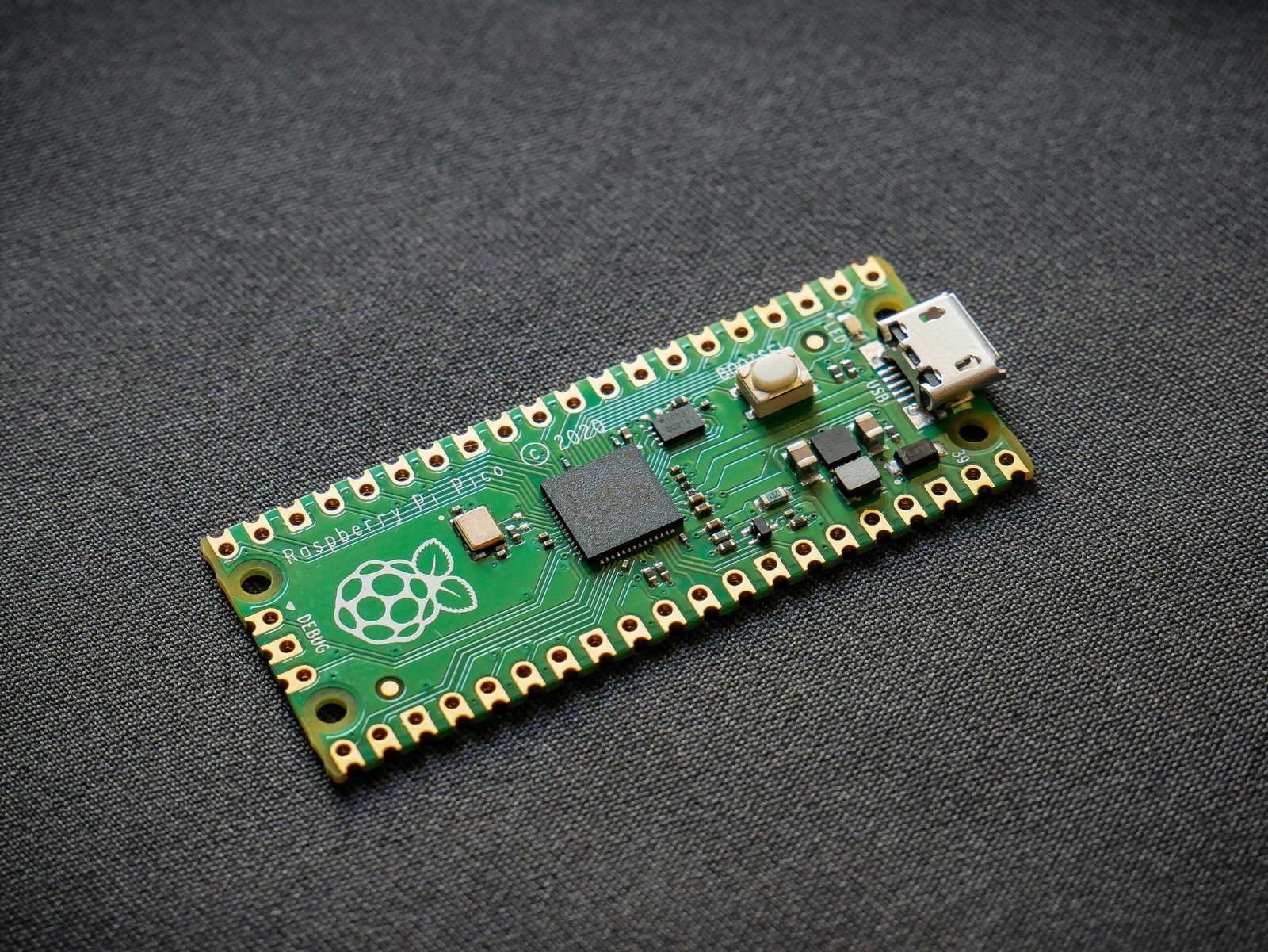
The Raspberry Pi Pico is different from the other models because it is actually a microcontroller rather than a full computer. It is better suited for simple embedded systems projects that require precise hardware control.
What About Raspberry Pi 6?
Raspberry Pi 6 is expected to be the next version of the Raspberry Pi, but it is not been officially released yet. In fact, reports suggest it will not come out before 2028 because the Raspberry Pi team plans to keep improving the Raspberry Pi 5 for now. It is expected to be a small upgrade rather than a completely new design, with better speed, improved memory, and faster connectivity like Wi-Fi and storage support. There is no big change confirmed yet, so it will likely feel like a stronger and smoother version of Raspberry Pi 5 instead of something totally different.
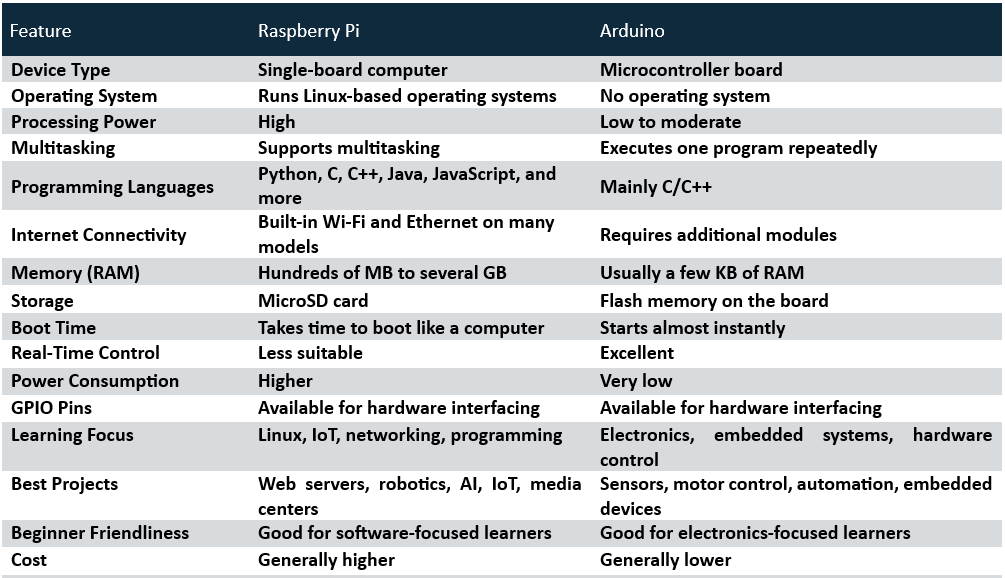
Raspberry Pi vs Arduino
There are several differences between Arduino and Raspberry Pi,
Common Uses of Raspberry Pi
One of the reasons Raspberry Pi has become so popular is its versatility. A single board can be used for hundreds of different applications.
Students use it to learn programming and computer science concepts. Hobbyists use it to build home automation systems, weather stations, and smart security cameras. Engineers use it for rapid prototyping and product development.
In the field of robotics, a Raspberry Pi can process sensor data, control motors, and communicate with other devices. In IoT projects, it can collect information from sensors and send that data to cloud platforms for analysis.
Some people even use Raspberry Pi as a media center, personal web server, network monitoring tool, or retro gaming console. The possibilities are limited mainly by your creativity and willingness to learn.
Is Raspberry Pi Worth Learning?
For students and aspiring engineers, the Raspberry Pi is one of the most valuable platforms available today. It teaches practical skills that combine software, hardware, networking, and problem-solving. These are skills that are increasingly important in modern technology careers.
As an Electrical and Electronics Engineer, I find Raspberry Pi particularly useful because it allows rapid experimentation. Instead of spending weeks developing custom hardware, you can quickly build prototypes and test ideas. This accelerates learning and helps transform theoretical knowledge into practical experience.
Whether you want to explore embedded systems, robotics, Linux, IoT, or automation, Raspberry Pi provides an affordable and accessible starting point. The large community, extensive documentation, and thousands of available tutorials make it easier to learn than many other development platforms.
Conclusion
The Raspberry Pi is much more than a small computer. It is a powerful learning platform that brings together programming, electronics, and real-world problem-solving. Its affordability, flexibility, and ease of use have made it one of the most popular tools for students, makers, and engineers worldwide.
If you are new to electronics or programming, the Raspberry Pi is an excellent place to start. Begin with a simple project such as blinking an LED or reading data from a sensor. As your skills grow, you can move on to more advanced applications like robotics, home automation, and IoT systems. The journey starts with a single board, but the skills you gain can open doors to countless opportunities in technology and engineering.
Raspberry Pi is a small, low-cost computer that can run Linux and be used for programming, electronics, and IoT projects.
Raspberry Pi is a single-board computer, not a microcontroller. It can run an operating system like a normal PC.
Basic coding helps, especially Python, but beginners can start with simple projects and learn step by step.
It mainly uses Raspberry Pi OS, a Linux-based operating system, but it also supports Ubuntu and other systems.
Yes, it is one of the best platforms for beginners to learn programming, electronics, and embedded systems.
Raspberry Pi is a full computer with an OS, while Arduino is a microcontroller designed for direct hardware control and real-time tasks.
Not fully. It can handle basic computing tasks, but it is mainly designed for learning and development projects.
Yes, Raspberry Pi is widely used in prototyping, IoT systems, automation, education, and research projects.
Pingback: Top Free Online Circuit Simulators for Engineers & Hobbyists (2026) - Elec blog